Class project
Coastal Motion
Coastal science through movement, observation, and place-based inquiry.
 Field dispatches
Dylan Where did last night’s rain go?
David Let’s follow it from the curb.
Portfolio prototype · Coastal Motion
Explore the marsh together
Choose a question, visit the places that might answer it, and compare the evidence your field team collects.
Where It Slows
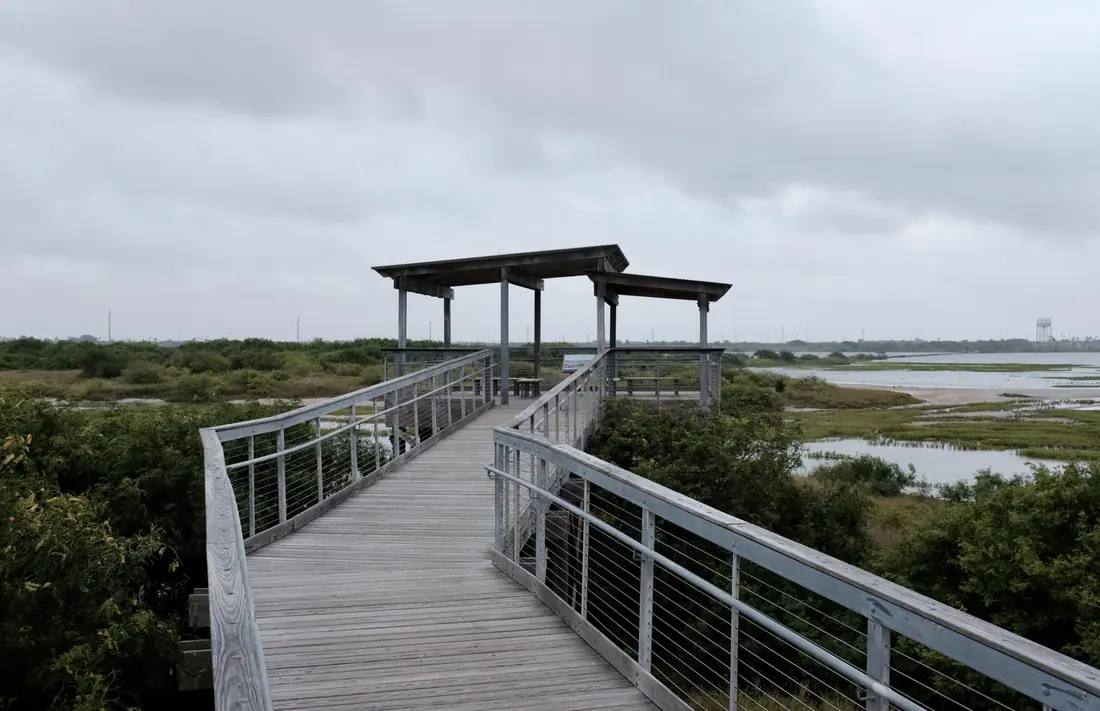
Reed edge
Look along the stems. Where does the water meet land?
Tap a station to move your field team.
Photo inquiry
Field team discussion
Open this expedition in two tabs in the same browser to exchange questions and replies at the same station.

Field guide
Evidence check
 Field stamp earned
Where will rainwater move faster?
Why predict first?
Choosing a place first gives you a question to test at the curb and in the marsh.
Follow one prediction through Dylan’s field story.
Along the curbWatch the curb
Earlier, near the parking lot, she had watched rainwater rush along the curb. It dragged sand, leaves, and a smashed Whataburger cup lid toward the storm drain. The stream moved fast, almost in a straight line, like it knew exactly where it was going.
Look between the reeds
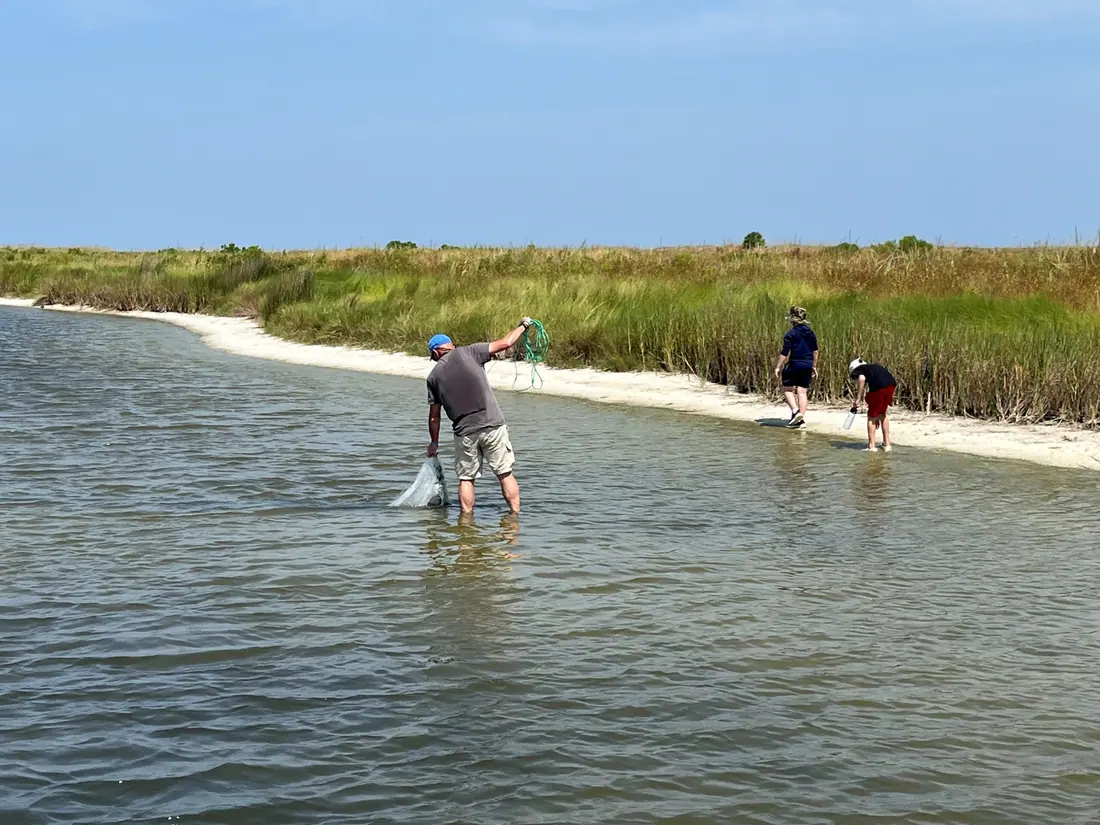
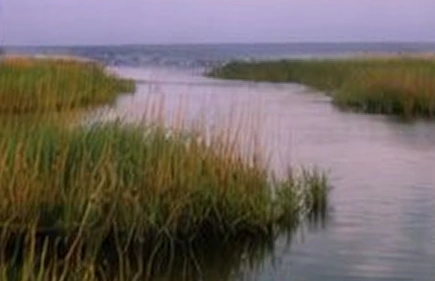
Dylan notices that in the marsh, the water doesn’t rush like it did near the curb. Instead, it spreads. It pools in low spots and sinks slowly into the ground. When the wind passes through the grass, she watches the surface ripple, but the puddles stay where they are.
Compare the two places
Why compare sites?
Put the two field notes side by side. Which observation backs up your prediction, and which makes you rethink it?
- Prediction
- Along the curb
- At the curb
- Sand and leaves moved toward the drain.
- In the marsh
- Water pooled between the reeds.
What would you look for on your own field visit?
Field mission
Make a prediction
Watch the curb
Dylan’s field storyEarlier, near the parking lot, she had watched rainwater rush along the curb. It dragged sand, leaves, and a smashed Whataburger cup lid toward the storm drain. The stream moved fast, almost in a straight line, like it knew exactly where it was going.
Tap a clue to add it to your notes.
Look between the reeds
Dylan’s field storyDylan notices that in the marsh, the water doesn’t rush like it did near the curb. Instead, it spreads. It pools in low spots and sinks slowly into the ground. When the wind passes through the grass, she watches the surface ripple, but the puddles stay where they are.
Tap a clue to add it to your notes.
Compare the two places
You can revisit either station before you write your reflection.
- Prediction
- At the curb
- In the marsh
The learning problem
Most middle school students learn about coastal systems through diagrams, videos, or textbook examples, often far removed from the shorelines, waterways, and environmental changes they encounter in their own communities. This disconnect can make complex scientific concepts feel abstract and difficult to grasp. Coastal Motion was created to bridge that gap by transforming local coastal environments into active learning spaces where students engage with science through movement, observation, and exploration.
In the working prototype, a field trip can change direction when a student spots something unexpected. A question about a plant at the reed bed starts a different investigation from a question about movement at the pool. Classmates can compare their clues, and the guide asks the group to use what they saw to explain the difference.
Learning in the field
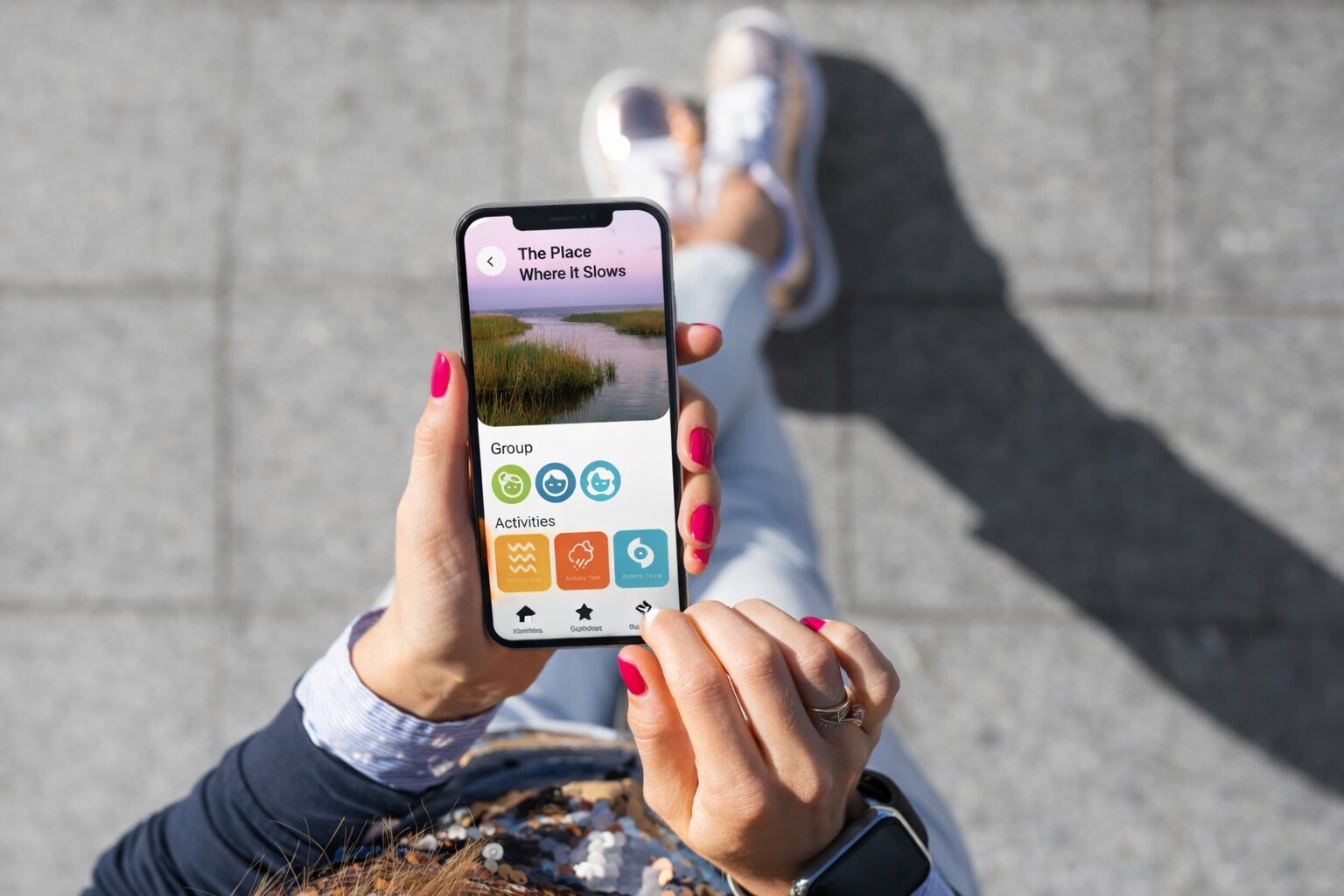
Coastal Motion is a place-based learning prototype that supports middle school students in developing a deeper understanding of coastal science through direct interaction with their surroundings. Rather than positioning learning as something confined to the classroom, the project reframes coastal landscapes as sites of inquiry where students observe physical processes, ask questions, and build understanding through firsthand experience.
Design and intended outcomes
The prototype emphasizes embodied learning, narrative framing, and iterative design to create an experience that is intuitive, engaging, and adaptable for both classroom and field use. Students are encouraged to move through space, document observations, and reflect on relationships between geological processes, ecosystems, and human activity.
Intended outcomes include increased student engagement, stronger connections between curriculum and lived experience, and greater confidence in students’ ability to interpret environmental systems. More broadly, Coastal Motion demonstrates how place-based learning design can foster scientific literacy and creative confidence while empowering young learners to understand and care for their local environments.
Contact
Get in touch
with Stef.
Have a question about a project or an idea for working together?