
IDET-6375
-
“The central question animating educational design research is not simply whether something works but how a learning environment works.”~ Sandoval This article explores how thoughtful instructional design can influence how learners engage with tasks, make meaning from experience, and refine their understanding over time. Educational design research involves understanding how learning environments shape interaction and…
-

“Doubts in one’s creative ability can be cured by guiding people through a series of small successes.”~ Kelley & Kelley The article explains that visible thinking and ongoing improvement help learners build confidence. Many learners mistake confusion for incompetence, assuming that difficulty means they lack ability. Kelley and Kelley argue that confidence develops when people…
-

“To fail is to learn: we learn more from our failures than from our successes.”~ Norman This article examines how thoughtful design turns uncertainty into meaningful feedback that encourages learners to engage, reflect, and persist. Design isn’t just about making something that works; it’s about making something that feels safe to use, clear to interpret,…
-

“Storytelling bridges analysis and synthesis.” ~Parrish This article explores how design becomes transformative when it shifts from structure to storytelling. Instructional design is often described in structural terms. We speak of modules, hyperlinks, navigation systems, and learning objectives as though organizing content is the same as shaping learning. Yet learners do not experience “modules” or…
-

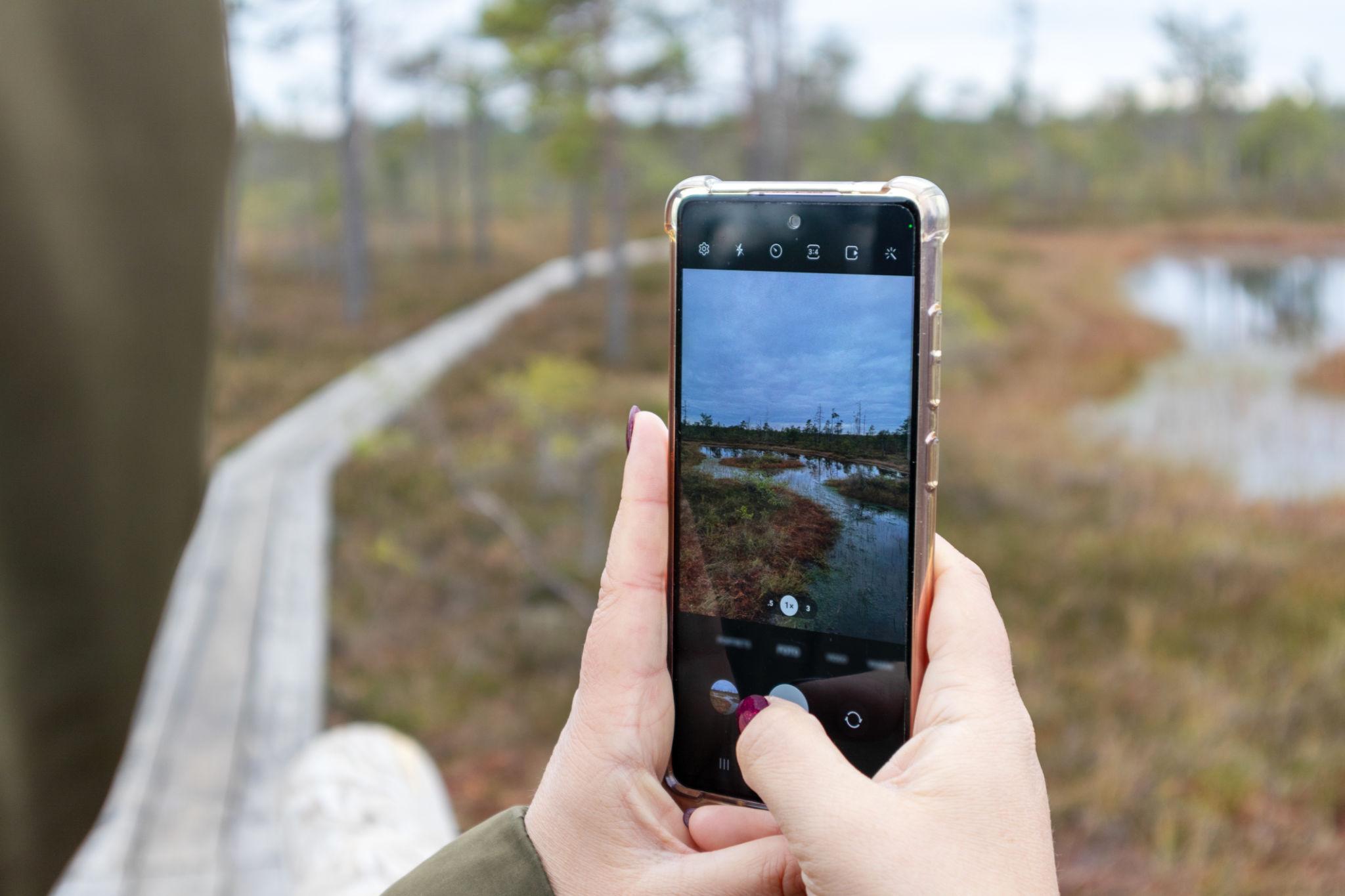
“The first step toward being creative is often simply to go beyond being a passive observer and to translate thoughts into deeds.”~ Kelley & Kelley This article explores how action-oriented design can support creative confidence and meaningful engagement in place-based learning environments. Environmental and science education often emphasizes awareness, understanding systems, recognizing patterns, and identifying…
-

“By adopting the eyes of a traveler and a beginner’s mindset, you will notice a lot of details that you normally might have overlooked.”~ Kelley & Kelley This article explores how intentional observation and experiential engagement can support meaningful, place-based learning and instructional design. Creativity does not always begin with innovation or invention, but with…
-

“The real measure of success is the number of experiments that can be crowded into twenty-four hours.” ~ Thomas Edison This article reflects on creativity, prototyping, and experience as key drivers of meaningful learning and design. Creativity is often misunderstood as a talent reserved for a select few rather than a skill developed through practice,…
-

“Deep empathy for people makes our observations powerful sources of inspiration.”~ Kelley & Kelley My perspective highlights how both readings prioritize understanding users and real-world observation as essential tools for designing meaningful experiences. Empathy is the true starting point of the design process, not technology, tools, or even ideas. As Tom and David Kelley emphasize…