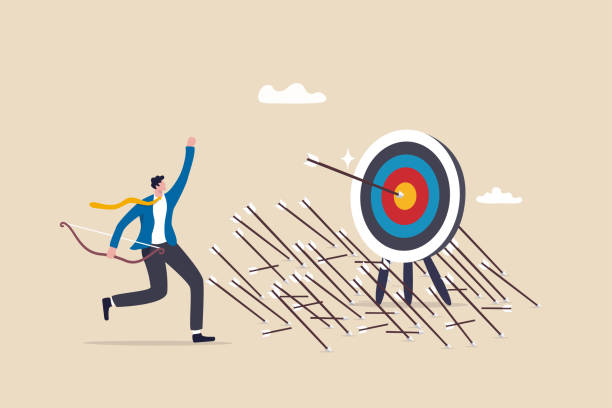
“To fail is to learn: we learn more from our failures than from our successes.”
~ Norman
This article examines how thoughtful design turns uncertainty into meaningful feedback that encourages learners to engage, reflect, and persist.
Design isn’t just about making something that works; it’s about making something that feels safe to use, clear to interpret, and empowering to explore. In Creative Confidence, Kelley & Kelley remind us that fear is a fundamental barrier to creative action. If learners are afraid of failure or judgment, they are unlikely to explore at all. The Design of Everyday Things similarly illustrates how poor design can produce learned helplessness when feedback is ambiguous and users cannot interpret their own actions. Together, these readings suggest that confusion and fear are not personal shortcomings, but often the result of design decisions.
Norman’s discussion of the Gulf of Execution and the Gulf of Evaluation deepens this argument by explaining how users must first decide what to do and then make sense of what happened. When either gulf is too wide, frustration replaces curiosity, and repeated confusion can lead people to blame themselves rather than the system. Kelley & Kelley counter this cycle by reframing failure as a necessary part of growth, emphasizing that confidence develops through action and iteration. When feedback is immediate and interpretable, failure becomes informative rather than discouraging. Effective design, then, must reduce cognitive confusion while also lowering emotional risk so that users remain willing to try again.
As I continue developing the Coastal Motion prototype, these ideas feel especially relevant. The app invites learners to observe environmental processes in real-world settings, and uncertainty is an inevitable part of that experience. If prompts are too open-ended or feedback too vague, learners may struggle to interpret what they are seeing, widening the Gulf of Evaluation in the process. Without thoughtful scaffolding, that uncertainty could undermine confidence rather than deepen curiosity, reinforcing a fixed mindset instead of a growth. Designing clear connections between observation, reflection, and scientific concepts therefore becomes essential.
Ultimately, both readings remind me that learning design shapes how people understand both content and themselves. Feedback determines whether uncertainty feels like failure or forward progress. In Coastal Motion, I am intentionally designing for revision, reflection, and renewed action. When clarity and emotional safety work together, failure no longer defines the learner. Persistence does.

References:
Norman, D. A. (2013). The design of everyday things (Revised and expanded ed.). Basic Books.
Kelley, T., & Kelley, D. (2013). Creative confidence: Unleashing the creative potential within us all. Currency.