Project Overview (Draft)
Most middle school students learn about coastal systems through diagrams, videos, or textbook examples, often far removed from the shorelines, waterways, and environmental changes they encounter in their own communities. This disconnect can make complex scientific concepts feel abstract and difficult to grasp. Coastal Motion was created to bridge that gap by transforming local coastal environments into active learning spaces where students engage with science through movement, observation, and exploration.
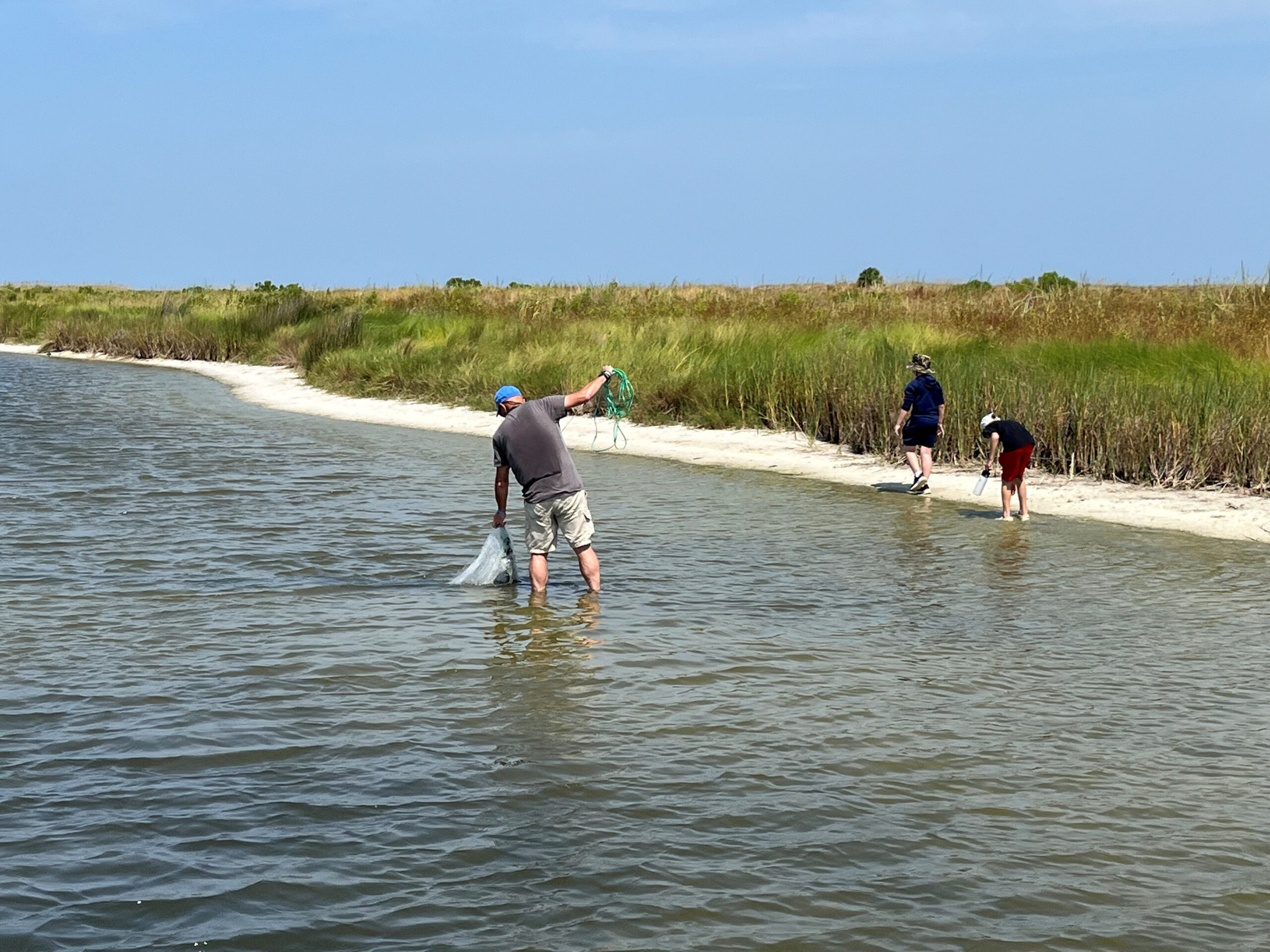
Coastal Motion is a place-based learning prototype that supports middle school students in developing a deeper understanding of coastal science through direct interaction with their surroundings. Rather than positioning learning as something confined to the classroom, the project reframes coastal landscapes as sites of inquiry where students observe physical processes, ask questions, and build understanding through firsthand experience.
The prototype emphasizes embodied learning, narrative framing, and iterative design to create an experience that is intuitive, engaging, and adaptable for both classroom and field use. Students are encouraged to move through space, document observations, and reflect on relationships between geological processes, ecosystems, and human activity.
Intended outcomes include increased student engagement, stronger connections between curriculum and lived experience, and greater confidence in students’ ability to interpret environmental systems. More broadly, Coastal Motion demonstrates how place-based learning design can foster scientific literacy and creative confidence while empowering young learners to understand and care for their local environments.
“Design creates the conditions for experience.” ~ Parrish